
Loading...
Serving La Habra, CA and surrounding areas. (562) 245-5260
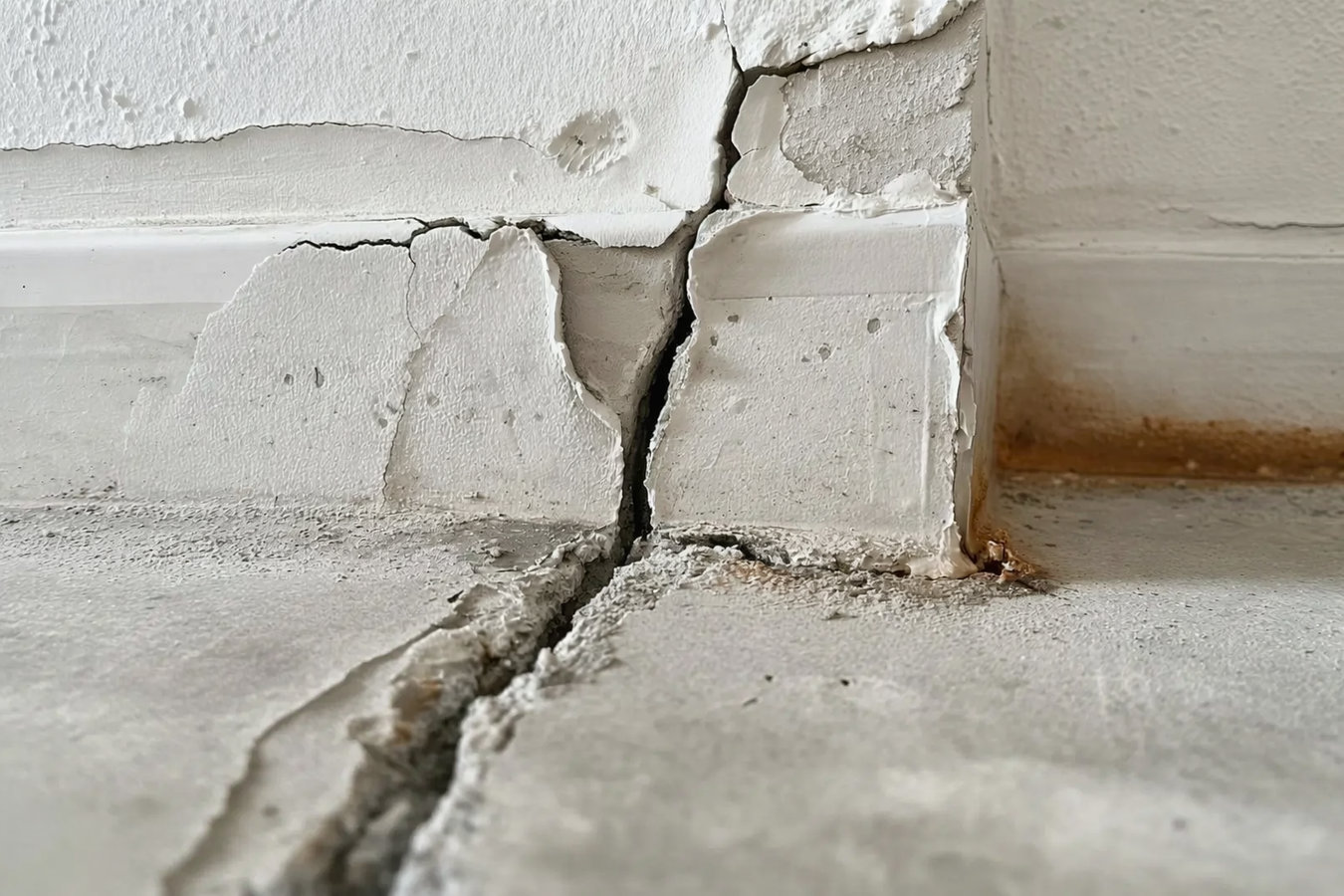
Sticking doors, sloping floors, or diagonal cracks? La Habra clay soil settles foundations - and the sooner you act, the simpler and less costly the fix.
Foundation raising in La Habra lifts a sunken or uneven concrete slab back to its original level position by pumping material through small drilled holes to fill the voids underneath - most residential jobs are completed in a single day, often in just a few hours, with no need to vacate your home.
La Habra sits at the base of the Puente Hills, where clay-heavy soils expand in winter rain and shrink in the dry summer months. That repeated movement is the leading cause of foundation settlement in this area, and it affects homes of all ages - though properties built between the 1950s and 1970s are particularly susceptible because soil preparation standards were less rigorous then. Foundation raising addresses the settled slab and the conditions driving it, which is far more cost-effective than a full replacement when the concrete itself is still structurally sound. Many of our customers also ask about slab foundation building when planning new structures on their property.
The work is less disruptive than most homeowners expect. No furniture moving, no overnight vacating, and no weeks of waiting. A properly assessed and lifted foundation can hold level for ten to fifteen years or more when the underlying soil and drainage conditions are also addressed.
If a door that used to swing freely now drags on the floor or refuses to latch, your foundation may have shifted. The door frame is moving because the slab beneath it has dropped, even slightly. In La Habra's older homes, this symptom tends to appear or worsen after a dry summer when clay soils have contracted and pulled away from the foundation.
Diagonal cracks in drywall - especially ones that start at the corner of a window or door frame - are a classic sign of foundation movement. These cracks appear because the wall is being pulled in two directions as one part of the foundation settles lower than another. If you are seeing new cracks or existing ones getting wider, it is time to have someone take a look.
Walk along the edges of your rooms and look for gaps where the baseboard meets the floor, or where the wall meets the ceiling. These separations happen when the slab shifts and the framing above it moves with it. In La Habra homes built in the 1950s and 1960s, these gaps are a common finding during foundation assessments.
If you notice that a ball rolls consistently toward one side of a room, or if you feel a subtle slope when walking across the floor, the slab beneath may have settled unevenly. This is especially common in garage floors, patios, and additions - areas where the concrete was poured separately from the main foundation and is more vulnerable to soil movement.
We handle two primary lifting methods depending on your slab and soil conditions. The traditional method uses a cement-and-soil slurry pumped under the slab - it has been used for decades, holds well under heavier slabs, and is often the right choice for La Habra homes with clay soil. The second method uses expanding polyurethane foam injected through smaller holes - it cures faster and adds less weight, which suits certain residential applications. We assess your specific situation before recommending either approach, and we explain the reasoning in plain language before any work begins.
Beyond the lift itself, every job includes an honest conversation about drainage and soil conditions. If water is pooling against your foundation after winter rains, or if the grading around your home is directing runoff toward the slab, we will tell you - because those conditions will work against the repair if they are not addressed. If you are also dealing with concrete cutting needs alongside foundation work, we can coordinate both in a single project visit.
Best for heavier residential and commercial slabs where long-term load support and proven durability are the priority.
Suits homeowners who want faster curing, lighter added weight, and smaller drill holes in the finished slab.
Ideal for any property where water pooling near the foundation is contributing to the settlement problem.
La Habra's location at the base of the Puente Hills puts much of the city on expansive clay soils that react strongly to the seasonal wet-dry cycle. Most of La Habra's rainfall arrives between November and March, saturating the clay and causing it to swell. By late summer, the ground has dried and contracted - and that annual movement gradually pulls support away from foundations. Homes built before modern soil preparation standards are especially vulnerable. The California Geological Survey maps the clay soil and seismic hazard zones that affect this area, and contractors working here should be familiar with both. La Habra is also located near the Whittier Fault, meaning even minor seismic activity can accelerate the settlement process.
We regularly serve homeowners in nearby La Mirada, CA and Whittier, CA, where similar soil and housing-stock conditions create the same pattern of foundation settlement. Whether you are on a flat lot closer to central La Habra or on one of the hillside streets near the Puente Hills where drainage challenges are more pronounced, we bring the same approach: assess honestly, pull the permit, and do the work right.
When you call, we ask a few basic questions - what you are noticing, where in the home it is happening, and how long it has been going on. This helps us come prepared. We respond within 1 business day and schedule an on-site visit at your convenience.
We walk the affected area with you, measure how much the slab has dropped, and check soil conditions and drainage. This assessment lets us give you an honest recommendation and a written estimate that explains exactly what work we are recommending and why.
If a permit is required - which it often is for structural foundation work in La Habra - we handle the application on your behalf. Permitted work creates an official record that protects your home's value. Work is scheduled only after the permit is in hand.
The crew drills small holes through the slab, pumps material underneath to fill voids and lift the concrete back to level, then patches the holes and cleans up before leaving. Most residential jobs are complete in a single day, and you can use the area the same afternoon.
We come out, look at what is actually happening under your home, and give you a written estimate with no obligation. No pressure, no guesswork.
(562) 245-5260We pull the required City of La Habra permit before any work begins. That inspection record stays with your home and protects its value at resale - unpermitted foundation work is one of the fastest ways to lose a buyer or face a price cut at closing.
We have worked on foundations throughout La Habra and the surrounding area since 2025. That breadth of local experience means we have seen the same soil and drainage patterns that affect homes in this part of Orange County, not just one neighborhood.
A lifted slab that sinks again within two years means the contractor skipped the soil and drainage assessment. We look at what is driving the settlement before recommending a fix - and we tell you honestly if the underlying conditions require ongoing attention.
We hold the California C-8 Concrete Contractor license and carry general liability and workers compensation insurance on every project. You can verify our license on the California Contractors State License Board website before you hire us.
Foundation work is one area where cutting corners - skipping the permit, rushing the assessment, or using the wrong lifting method for the soil conditions - creates problems that show up within a year or two. We have built our reputation in La Habra and across CSLB-compliant practices because our customers refer us to their neighbors - and that only happens when the repair holds.
Precision concrete cutting for expansion joints, drain access, and slab removal - the clean-edge approach that sets up a proper repair.
Learn moreNew slab foundations built to current standards - properly compacted, reinforced, and permitted for La Habra's clay-soil conditions.
Learn moreLa Habra's dry season is hard on clay soils - the sooner the slab is lifted, the less damage accumulates before winter rains arrive. Call or submit the form to get on the schedule.